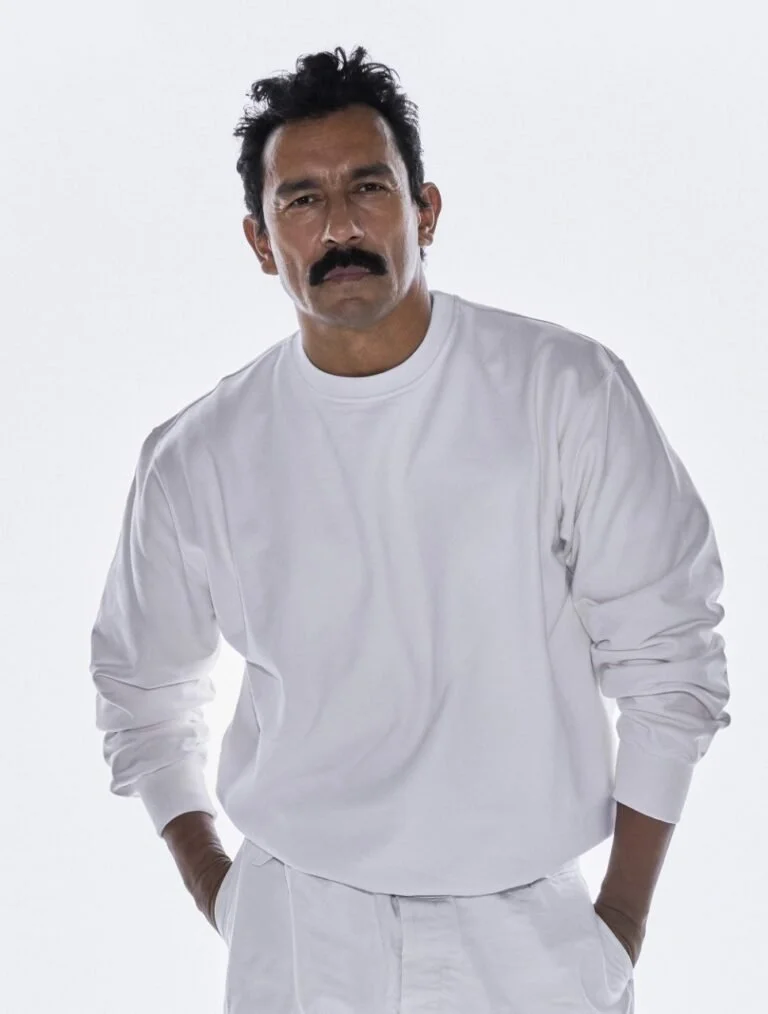
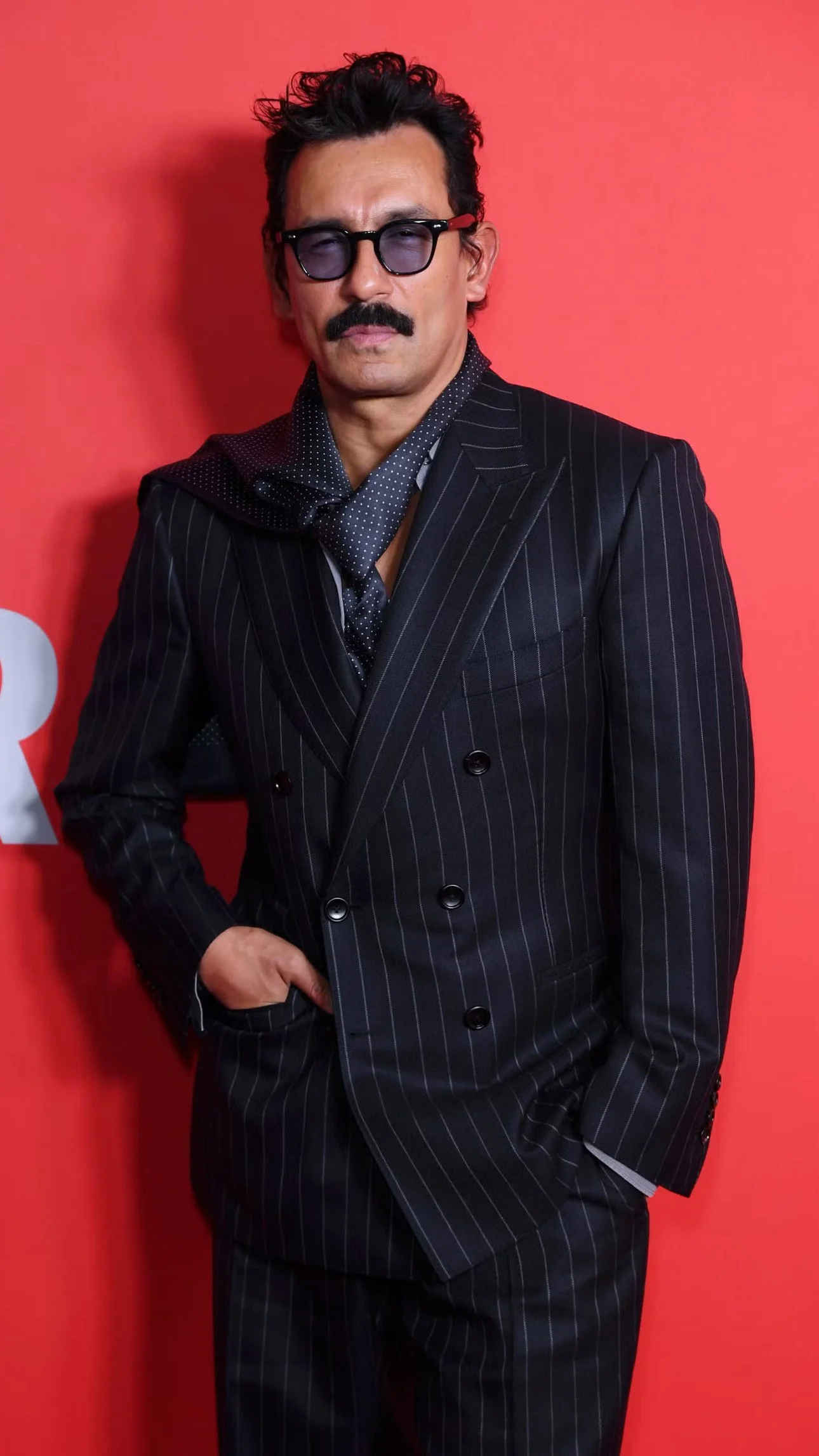
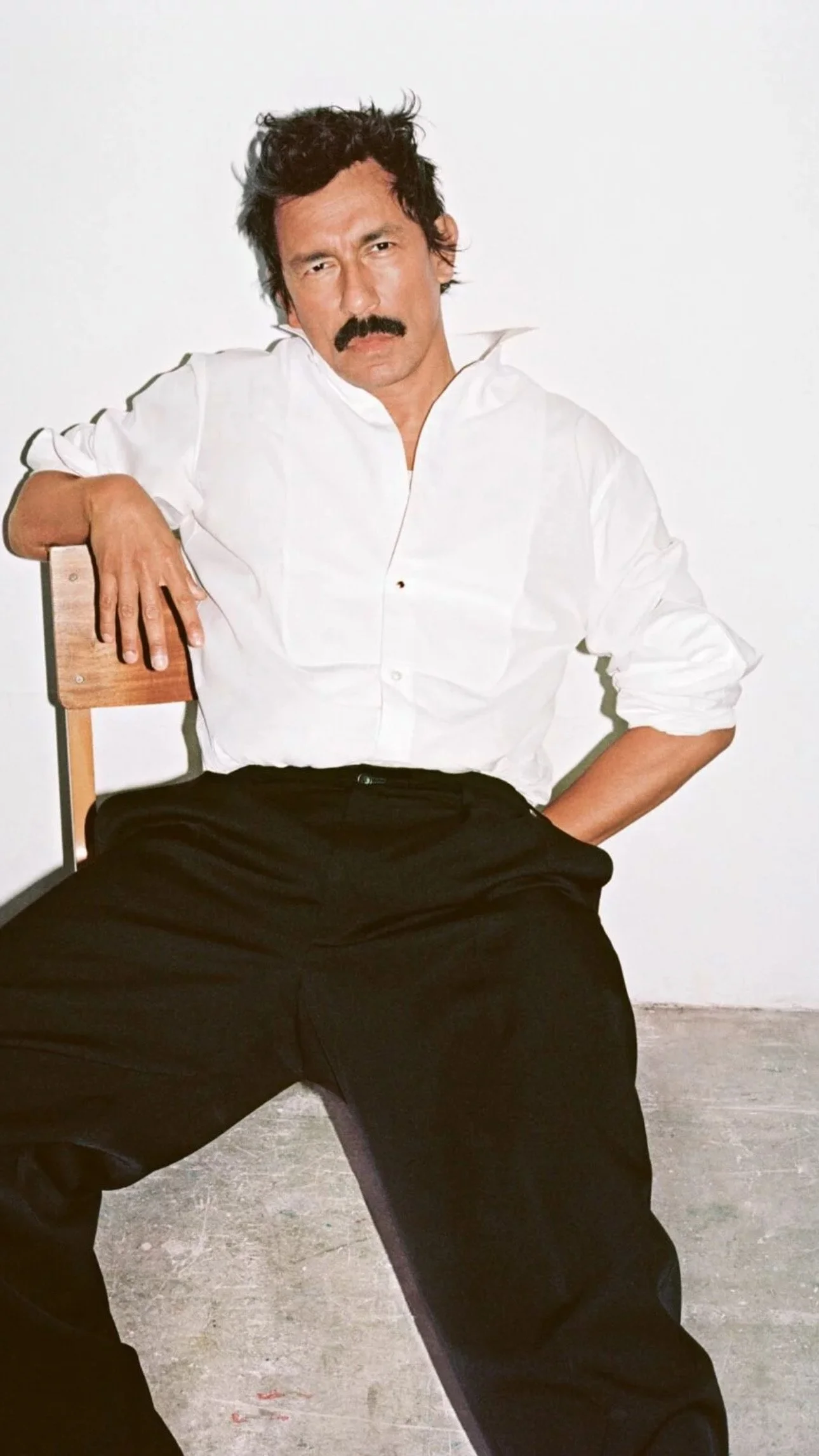
Haider Ackermann and the Beauty of Beginning Again:
Some designers are defined by their signature. Others by their ability to reinvent themselves. Haider Ackermann has managed to do both. For nearly two decades, Ackermann’s namesake label was celebrated for its exquisite tailoring, fluid silhouettes, and unmistakable romanticism. His designs possessed something increasingly rare in fashion: a distinct point of view. Then, in 2020, his label shuttered.
For many, that might have signaled the end of an extraordinary career. For Ackermann, it was simply the beginning of something different.
Fast-forward to 2024, and he was appointed creative director of not one, but two vastly different fashion houses: Tom Ford and Canada Goose. At Tom Ford, Ackermann faced the formidable challenge of succeeding one of fashion’s most prolific designers. Ford built an empire on sensuality, impeccable tailoring, and unapologetic glamour. Honoring that legacy while introducing a new creative perspective is a delicate balancing act, and one that rarely succeeds without compromise.
Yet Ackermann has managed to merge Ford’s seductive sophistication with his own poetic sensibility. The result feels both familiar and entirely new. He hasn’t tried to become Tom Ford. He’s allowed Tom Ford and Haider Ackermann to coexist. Then there’s Canada Goose. Already established as a premium performance brand, Canada Goose has found new creative territory under Ackermann’s direction. He’s elevated its fashion identity, introducing unexpected silhouettes, sophisticated color palettes, and a distinctly luxurious perspective without sacrificing the functionality that made the brand successful.
Think about that creative balancing act. At Tom Ford, he’s dressing for the heat of a room. At Canada Goose, for the cold beyond it. Two completely different worlds, requiring two entirely different approaches, yet both unmistakably influenced by the same creative mind. His accomplishments haven’t gone unnoticed. Most recently, Esquire UK recognized Ackermann in its 2026 Better Men list, honoring him as “The Paradigm.” But perhaps the most compelling part of Ackermann’s story has little to do with fashion.
It’s about understanding that an ending doesn’t necessarily signify failure. We often attach our identities to the businesses we build, the careers we pursue, and the titles we hold. When those things end, we sometimes mistake change for defeat. Ackermann’s journey offers a different perspective.
His second act isn’t necessarily better or worse than his first. It’s different. And in many ways, his creative influence and relevance have expanded beyond what he originally built. The closing of one chapter didn’t diminish his talent. It simply created an opportunity for that talent to take an entirely different form. Because the end of one chapter doesn’t mean the book is finished. Sometimes it means you’re about to write an entirely different book. And Haider Ackermann is proving that the next story can be just as extraordinary.