
I’m incredibly disappointed by the decision not to move forward with John Galliano: Horizons at The Met. And before anyone misunderstands what I’m saying: what John Galliano said in 2011 was reprehensible. Antisemitism and racism have no place in fashion, or anywhere else. He should have been held accountable for it.He was. But accountability and erasure are not the same thing. At some point, we have to ask ourselves what we actually believe rehabilitation, accountability and growth are supposed to look like.
Galliano has apologized. He has spoken publicly about the ugliness of what he said. He has spent years in recovery, and in his statement today he again took full responsibility for the pain he caused, calling atonement an ongoing responsibility rather than something achieved through an exhibition or public recognition.
So when exactly is someone allowed to have grown? Because whether people are comfortable with it or not, you cannot seriously discuss the last four decades of fashion without discussing John Galliano. Givenchy. Dior. Maison Margiela. His own label. His fingerprints are everywhere.
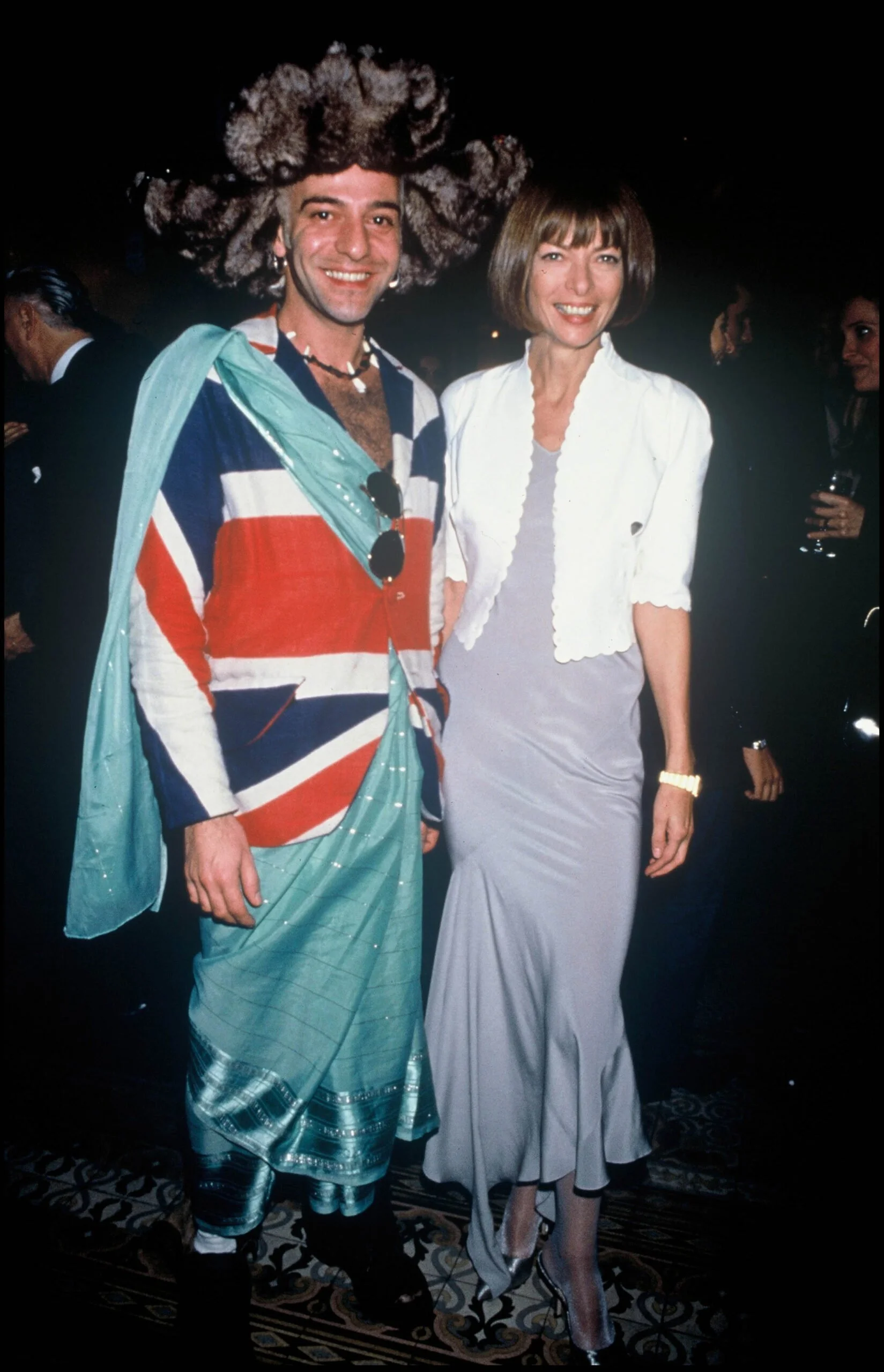
At Dior alone, the theatricality, the storytelling, the couture, the fantasy, the cultural references, the silhouettes. He helped give us the Saddle bag in 1999, an object that remains part of Dior’s vocabulary nearly three decades later. Then somehow, after everything, he went to Maison Margiela and proved that his creative vocabulary could evolve again. His 2024 Artisanal collection became one of the most talked-about couture moments in years. His decade at Margiela did not simply imitate Martin Margiela’s legacy. Galliano absorbed the house codes, deconstructed them and created another chapter.
That is extraordinary. And that is precisely why Horizons mattered. The exhibition was supposed to examine 40 years of work, from his Central Saint Martins graduation collection through Givenchy, Dior and Margiela. Had it happened, Galliano would have become only the third living designer to receive a solo Costume Institute exhibition, following Yves Saint Laurent and Rei Kawakubo.
That is not a small distinction. But neither is his contribution to fashion. And this is where I think we are making a mistake. A museum examining an artist’s work is not the same thing as declaring that artist morally flawless.Museums should be exactly where complicated histories are confronted.
Show me the genius.
Show me the scandal.
Show me the destruction.
Show me the addiction.
Show me the apology.
Show me the recovery.
Show me the people who were hurt.
Show me the work.
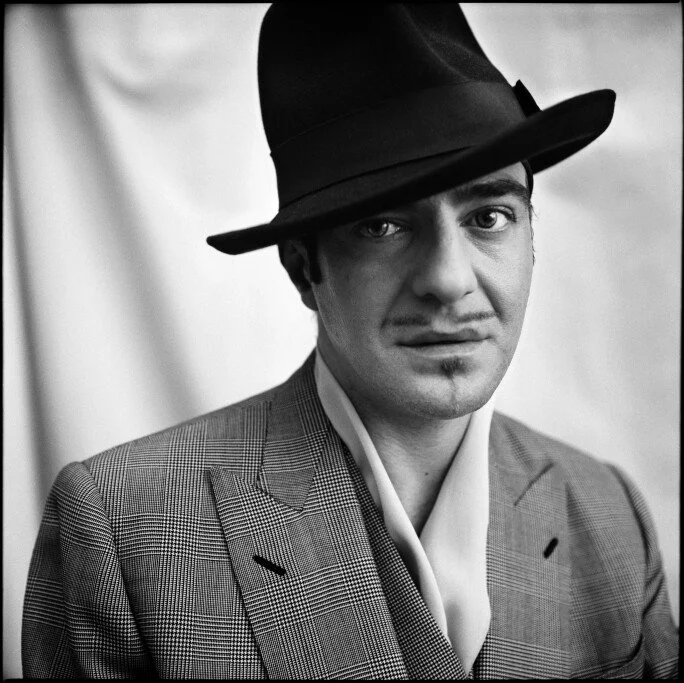
Give us the entire story and allow us to wrestle with it. That is what cultural institutions are supposed to do. Instead, we are increasingly allowing public pressure to determine whose work is worthy of examination. And I think that is incredibly dangerous for fashion, art and culture. Because where does that line end?
If the requirement for studying great art becomes a spotless personal history, our museums are going to become very empty places. John Galliano is not entitled to forgiveness from anyone he hurt. That belongs entirely to them. But fashion is entitled to its history. And John Galliano is part of that history.
He is one of the few true couturiers of his generation, and regardless of how anyone feels about him personally, the influence of his imagination, craftsmanship and storytelling cannot simply be edited out because acknowledging it has become uncomfortable. In fact, discomfort might have been the very reason this exhibition needed to happen. We should be capable of holding two truths at the same time:
What he said was horrific. What he contributed to fashion was extraordinary.One does not erase the other. And perhaps the bigger conversation The Met could have given us was never simply about John Galliano. Perhaps it was about whether we still believe human beings are capable of making terrible mistakes, taking responsibility, changing and continuing to contribute something meaningful afterward. And I think losing it is a loss for all of us.